Amazon mandates that, main images should have a pure white background to provide clarity and consistency when displaying products, as well as visibility of the items.
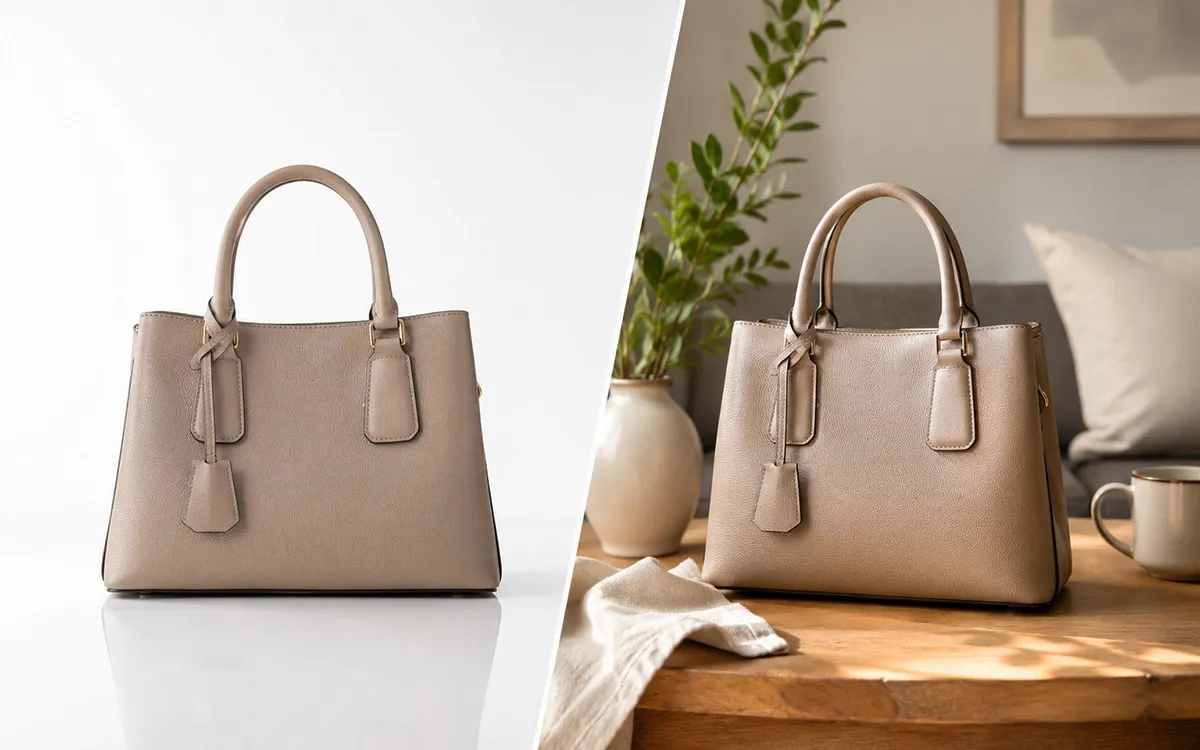
Your choice of background in product photography is not just an aesthetic consideration. Still, it is also an important factor that will influence how your target audience views and feels about your brand, which will influence their evaluation of the product quality.
Product photographs in e-commerce are meant to be a digital replacement for face-to-face interaction with a product in a store. A customer shopping online cannot touch, feel, or physically inspect the item and the decision is taken based on the visuals.
This is why there is an ongoing debate among brands regarding which one of these two product photography styles is better suited for the products they sell:
- Product Photography Style: White Background
- Product Photography Style: Lifestyle Background
Both styles are great ways to create an engaging marketing experience, but each has a very different purpose. White-background photography provides the highest clarity and consistency, while lifestyle-background photography helps create emotion, context, and brand identity.
Because of this, most high-performing eCommerce retailers use a combination of both styles rather than just one.
This guide will give you an overview of the different background styles, the strengths, weaknesses, and ideal situations for each, so you can determine which style will work best for your products and marketing objectives.
Table of Content hide
Why Product Backgrounds Matter More Than Most Businesses Realize
Many companies are overly focused on camera quality and lighting, while either ignoring or severely underestimating how much the actual background itself will be an important factor in influencing:
- Product visibility
- Perceived trust by buyers
- Perceived professionalism of the seller or manufacturer
- Compliance with marketplace rules & regulations
- Establishing the company's brand identity
- Optimizing conversion rates
If the background is poor, it can make even the most premium products appear cheap or untrustworthy to consumers. Conversely, if the product is shown against the appropriate background, it can help customers focus on product details and subliminally reinforce how the company fits into the marketplace.
For e-commerce companies competing in an extremely crowded marketplace, how their products are presented in images is an important factor in consumers' decision-making about whether to click on an image or ignore it and move on.
White Background Product Photography
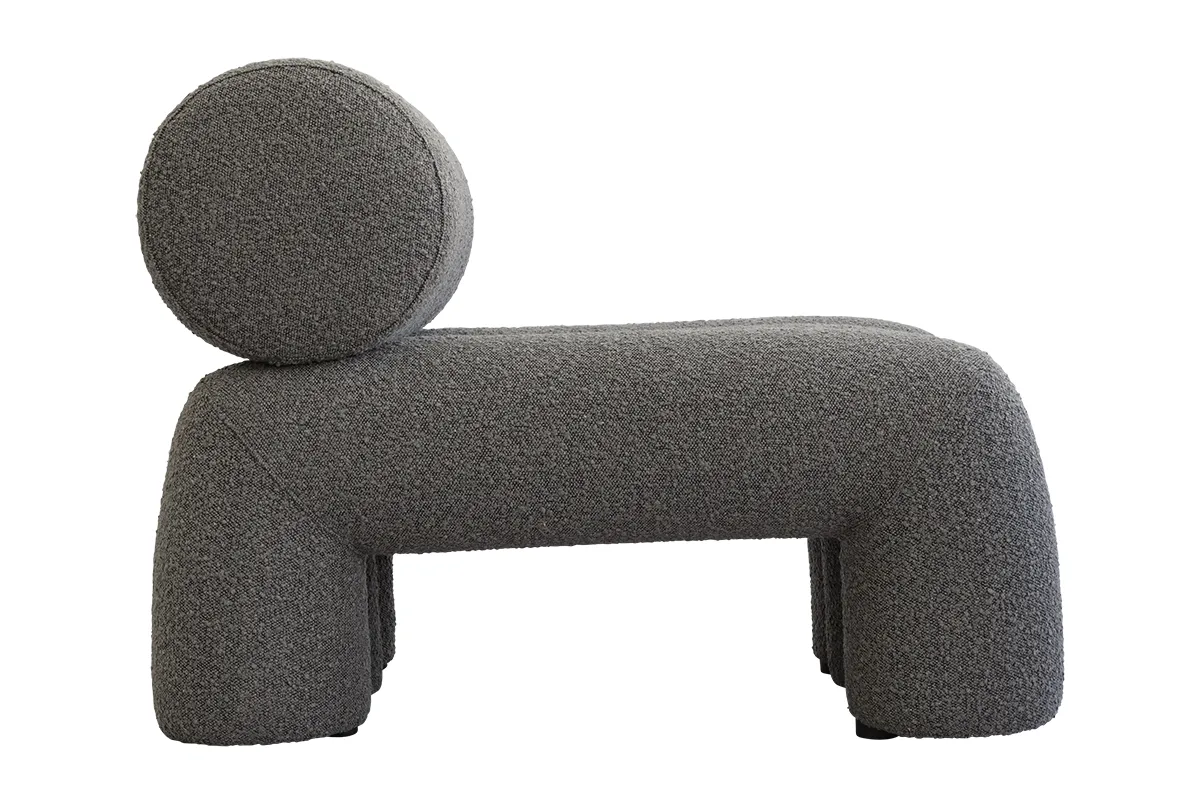
White-background photography isolates the product against a clean, realistic backdrop. This type of photography has been used in the industry as the standard for selling items on e-commerce platforms, as it provides clarity and consistency.
Most e-commerce retailers, such as Amazon, Walmart, and eBay, require products to appear as pristine as possible when using white backgrounds for their main image(s). For example, in their specifications, Amazon requires that the main listing image have an RGB value of 255-255-255.
Why White Backgrounds Work So Well
White-background images provide visual simplicity; as a result, users can easily concentrate on the following aspects of products:
- Shape
- Color Match
- Materials
- Texture
- Features
Reducing visual distractions allows the brain to process images faster. This is particularly critical during the initial phase of the purchase cycle, when users are comparing many listings side by side.
In addition to eliminating visual distractions from white-background images, these images enable more consistent product presentation across large inventories. This consistency creates a better overall shopping experience for customers and gives the retailer's storefront a more professional appearance when the retailer manages hundreds or even thousands of SKUs.
In addition to eliminating visual distractions and creating consistency, editing white-background images is also easier because they allow you to:
- Resize them
- Repurpose them for marketing material
- Use them in catalogs
- Change them to transparent PNGs
- Include them in banners/graphics
That is why most e-commerce brands consider white-background images to be their 'master assets' for multi-channel marketing.
Limitations of White Background Product Photos
While white backgrounds work very well with e-commerce listings, they have drawbacks. One of the main drawbacks is the emotional disconnect. A white background image portrays how an item looks visually, but it doesn’t necessarily provide the following information:
- a lifestyle
- a brand persona
- product use
- the emotional appeal of the product
In particular, in highly visual industries like fashion, beauty, and home decor, as well as in expensive brands, an image on a plain white background may sometimes appear overly technical or unoriginal.
Images with plain white backgrounds do not typically show:
- product size
- how products would look once they are in use
- how the product would create ambiance
- how products might be coordinated or styled
This is where lifestyle photography can have great value for your e-commerce store.
What Is Lifestyle Product Photography?

Product photography that depicts products in realistic situations or their real environments, rather than the product alone on a plain white background.
Rather than just showing the product by itself, lifestyle photography illustrates how the product fits into everyday life, i.e.,
- A skincare product on a bathroom countertop.
- A coffee mug next to a laptop and blanket.
- A sofa in a decorated living room.
- Running shoes are used outdoors.
Lifestyle photography provides an emotional connection with customers and tells a story through images. According to multiple studies and guides on e-commerce and sales, consumers can imagine themselves using the product when they see it in a lifestyle image, which helps improve both customer engagement and brand recall.
Why Lifestyle Photos Increase Engagement
When making a purchase, consumers rarely rely solely on technical specifications; emotions typically drive their purchasing decisions before they think rationally.
Lifestyle images give consumers a way to visualize product ownership and experience, and to identify themselves and the lifestyle they aspire to. Social media advertising, Instagram marketing, Shopify stores, luxury brands, fashion e-commerce, and direct-to-consumer brands greatly benefit from this emotional aspect of consumer purchasing decisions.
By using lifestyle photography, consumers can connect with the products they are considering purchasing in a more natural and relatable way. By placing the product in a real-world context rather than an isolated image, lifestyle photography benefits both consumers and the economy by providing additional visual context.
Lifestyle photography also affects consumer engagement when viewing a lifestyle image versus a product shot on a plain white background on social media platforms.
The Downsides of Lifestyle Product Photography
While lifestyle photography can be an effective visual method for conveying emotion, it can also present challenges. One of the biggest risks is creating a distraction for the potential consumer.
If there is an excessive amount of prop, color, or an over-stylized scene to photograph the product, the consumer may struggle to see the product itself. Lifestyle images with poor style can also diminish clarity and create confusion regarding the product.
In addition to the challenges of creating distraction from the product, lifestyle photography is also:
- More costly than standard product photography
- More time-consuming than standard product photography
- More difficult to create consistency in photographs
- Less likely to comply with regulations for online marketplaces
When you have a large eCommerce catalog with many different types of products, you may have difficulty producing consistent lifestyle images.
An added challenge for producing lifestyle photography is 'clutter' within the image. While an over-styled image will look attractive on social media, the consumer in the marketplace will want a clear view of the product and not be distracted from purchasing it.
White Background vs Lifestyle Photography: Which Converts Better?
While it may seem that some companies are searching for a single definitive format for their product photos, the truth is that this is not the case.
Generally speaking, white backgrounds tend to do best with the following types of images:
- Listing Products in Marketplaces
- Browsing Comparing Products
- Technical Products
- Bulk E-Commerce Catalogs
- Product Pages on Amazon
Conversely, lifestyle photographs tend to be more effective at achieving the following purposes:
- Tell A Brand's Story
- Create Social Media Campaigns
- Showcase Luxury Consumer Goods
- Showcase Items in the Fashion or Beauty Sector
- Evoke Emotion in Marketing
The analyses conducted on several types of e-commerce product photography support the notion that customers can quickly evaluate products through high-quality photos on white backgrounds. At the same time, lifestyle images have a lasting effect on customers' emotions and increase their desire to purchase.
The most successful ecommerce brands do not typically use either type of photography in isolation; rather, they strategically incorporate both throughout their customers' journeys.
The Smartest E-commerce Strategy Uses Both
Typically, ecommerce sites feature a variety of white-on-white product images, with a clean white background as the primary product image, to satisfy marketplace requirements and ensure clarity when displaying the actual product.
The secondary gallery images represent a mix of:
• Lifestyle images
• Close-up images of texture
• Bookend images
• Demonstration images
Utilizing this hybrid method enables both technical and emotional clarity. The combination of this hybrid method also supports multiple marketing channels simultaneously:
• White background images at Amazon and Google Shopping
• Lifestyle images via Instagram, Facebook Ads, and Shopify product pages
At this time, most e-commerce professionals agree that this combination approach is the best long-term visual strategy for e-commerce sites.
Which Background Is Best for Different Product Types?
Numerous photography styles are advantageous for various industries. Products (electronics, supplements, mechanical tools, and packaged goods) typically perform well when using a white background, as the priority for customers is product visibility along with specifications.
Products (apparel/fashion products, skin care products, jewelry product photos, furniture products, and home décor products) will benefit from a lifestyle photography style, as the purchaser wants to see how they look in person or when paired with complementary products.
Luxury brands often blend white-background product photography with minimalist editorial lifestyle styling to maintain brand identification while ensuring clarity of the product image and premium brand identity.
Common Product Photography Background Mistakes
The use of busy background is a common image mistake. It distracts individuals from concentrating on what the actual product is, therefore produces a poor display when comparing images before purchasing it.
Using just a bright white backdrop is also considered as another mistake. It looks fake in some cases as the product loses natural connection with the background.
Many businesses also do not measure the consistency of product and lighting. Even if the background is chosen well, poor lighting quality can affect the end and distort the color reflected in the lighting.
Lastly, there is an overwhelming use of Lifestyle photography versus clean product images in current marketplaces.
Are Colored Backgrounds Better Than White?
The use of colored or neutral-toned backgrounds for branded e-commerce photography has been gaining popularity in the beauty and fashion industries. Soft beige, gray, and pastel, and/or textured backgrounds can all add personality while still keeping the product visible. However, most of these types of backgrounds are better suited to branding campaigns than to main images in marketplaces. As such, pure white backgrounds will always offer ecommerce businesses the safest, most versatile option for their primary product photos.
Conclusion
The most appropriate background(s) for your product photographs depend on where you intend to use the image and the type(s) of purchase decision(s) you are trying to influence.
Using a white background will enhance clarity, professionalism, and marketplace compliance when customers evaluate product images, as well as provide uniformity for your e-commerce catalog.
Using a lifestyle background helps create a narrative, build an emotional connection, and develop a brand identity with customers by allowing them to visualize using the product in real life and fostering a stronger visual connection between the customer and the product.
Successful e-commerce brands utilize both product photography styles strategically throughout the customer journey, rather than treating each as a competitor.
The most effective e-commerce product photography strategy require an understanding of when and how each styling technique can be used effectively, rather than relying on either background as an exclusive styling choice.
FAQs
- Should Amazon listings have white backgrounds on photos?
- Will photos of our products in a lifestyle scenario improve e-commerce sales?
Lifestyle photos can certainly create a greater level of emotional connection and interaction with a product, particularly in Fashion, Beauty, Home Decor, or Social Media advertising campaigns.
- Is it better for a Shopify store to have product photos taken against a white background or lifestyle photos?
Most successful Shopify stores will use a combination of white-background photographs for clear product visibility and lifestyle photographs to enhance the brand story of the products.
- Which type of background is best for photographing jewelry?
Jewelry brands can effectively use a pure white background for e-commerce listings and luxury lifestyle backgrounds for products marketed in advertisements and on social media channels.
- Are lifestyle photographs an adequate substitute for product photos shot against a white background?
Lifestyle photographs are superb for branding purposes, but for ecommerce marketplaces, catalogs, and product-centric ecommerce sites, product images shot against a pure white background will remain essential.

Asha is working as a Creative Director at Clipping Mask Asia. She has completed her Graduation from the University of Dhaka inFilm and Television Studies. She has vast knowledge in Photography, Videography, Video Editing, 3D Modeling, Rendering and Animation. She loves to explore the creative world with her academic knowledge, experience and creative mind. She writes creative blogs on design, illustration and editing for renowned brands like Clipping Mask Asia.